


 Tiếng Việt
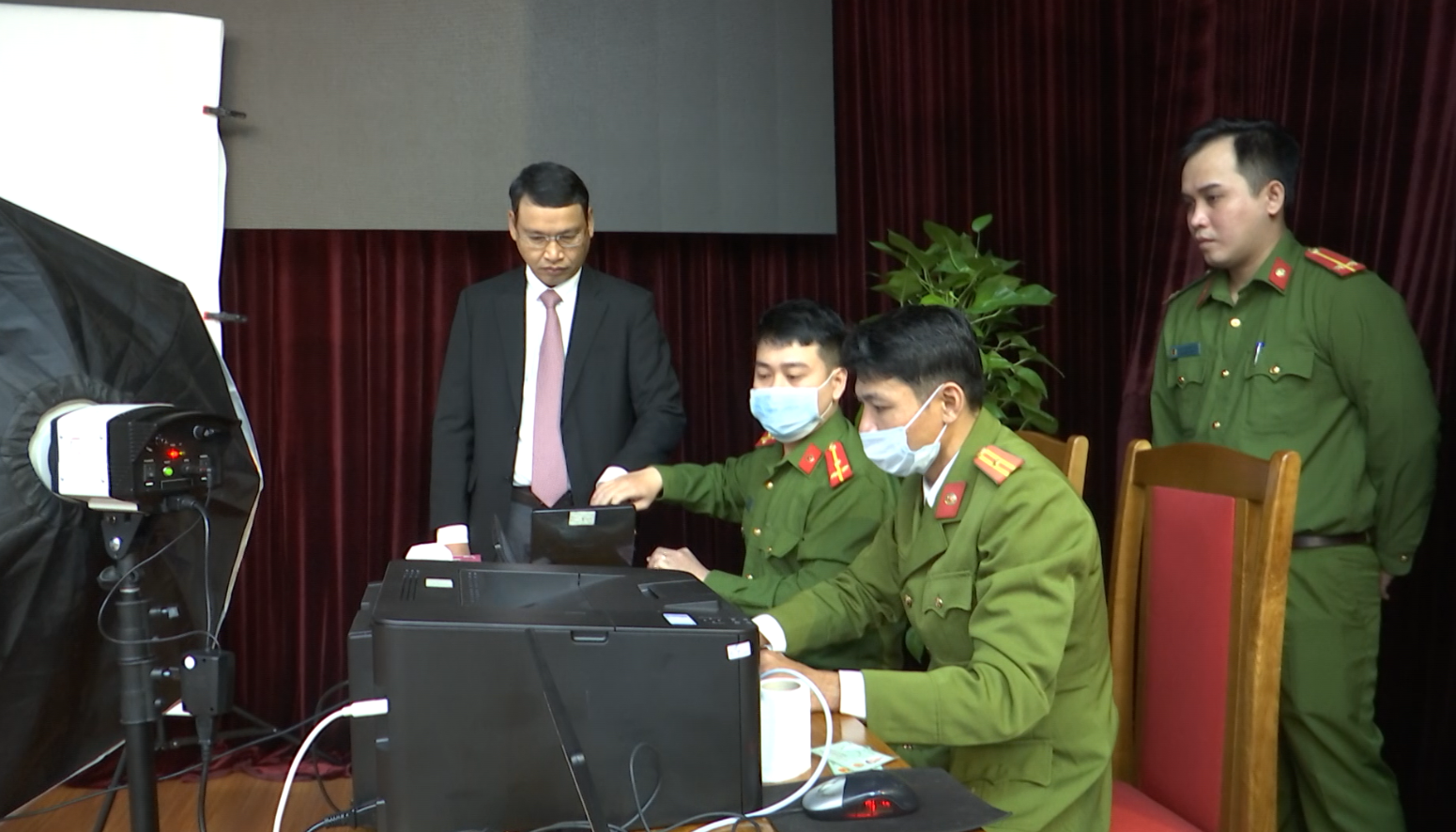
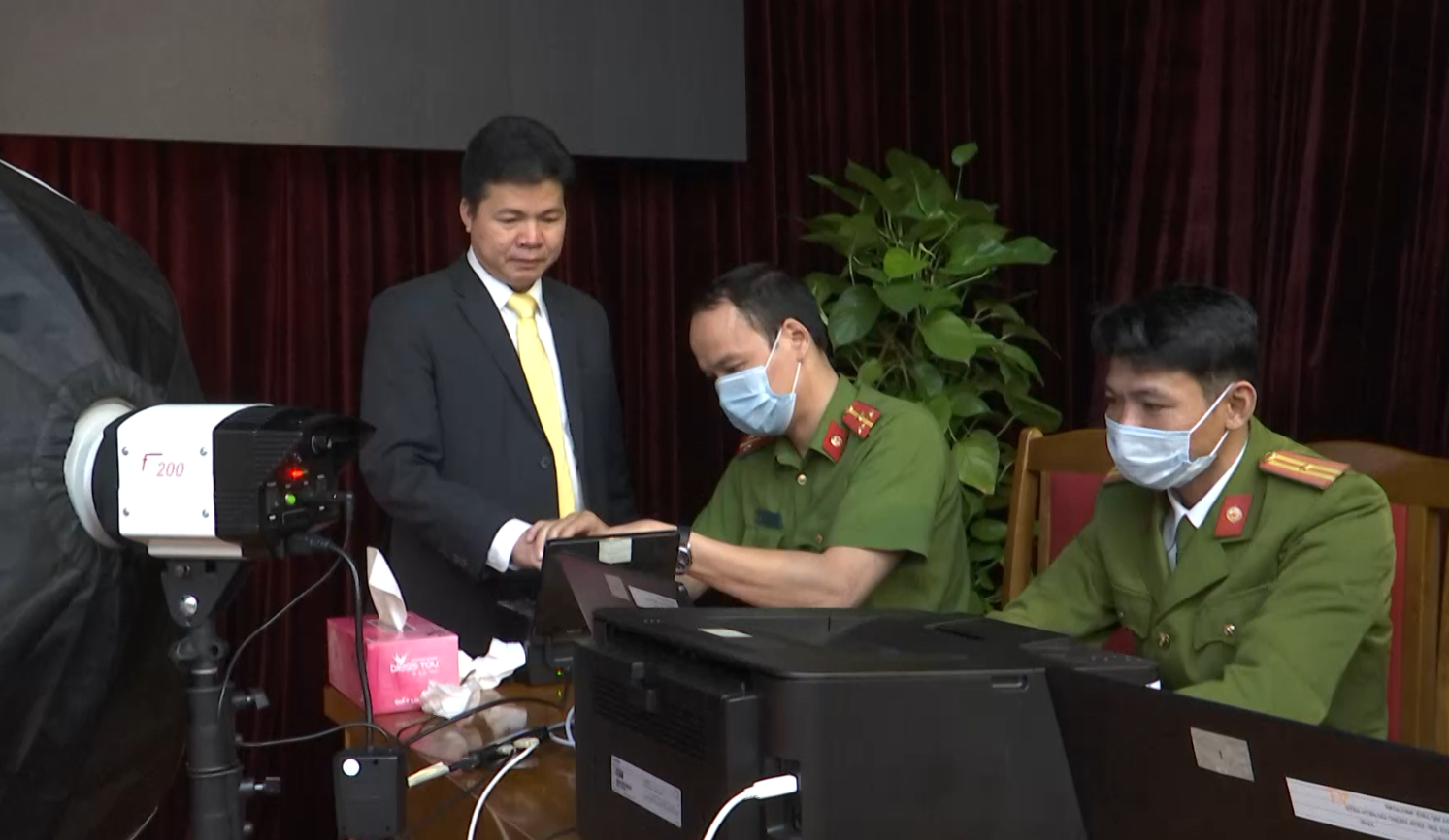
On Monday, Da Nang key leaders, who were selected to attend the forthcoming 13th National Party Congress of the Communist Party of Viet Nam at the 22nd Congress of the Da Nang municipal Party Organisation for the 2020-2025 tenure in October 2020, became the first persons in the city to be issued chip-based ID cards.
In September 2020, Vietnamese Prime Minister Nguyen Xuan Phuc has approved a proposal by the Ministry of Public Security to roll out chip-based national ID cards as early as 2021.
The Ministry of Public Security inaugurated the distribution of barcode-based ID cards in 2016. Till date, this design is only available in 16 Vietnamese cities and provinces, with a combined total of 16 million cards issued, while the rest of Vietnam are still keeping to the old 9- and 12-digit ID versions.
Chip-based ID cards only differ from previous versions in the addition of an electronic chip, while other information, including the ID number, will remain unchanged.
The smart card, which is designed to be encrypted, will store facial recognition features, fingerprints, and anthropometry.
The new model is expected to meet the requirements of administrative reform, e-Government development, which will help streamlining administrative procedures for Vietnamese citizens in the time ahead.
Starting from tomorrow, 5 January, Da Nang police officers will prioritise issuing e-ID cards to former revolutionary cadres, and civil servants and public employees who are with expired identity cards or in urgent need of such cards for their work at the Da Nang Administrative Centre.
After that, the issuance of such digital ID cards will be carried out on eligible citizens on a large scale. The citizens eligible to be issued chip-based identity cards are those who are 14 years of age or older and have never been issued an identification card, or their identity card is damaged, lost, or expired.
Source: Da Nang Today
TỔNG ĐÀI DỊCH VỤ CÔNG: (0236) 1022 hoặc *1022, miễn phí phục vụ
1. Đường dây nóng tiếp nhận ý kiến phản ánh, góp ý của tổ chức, công dân và chuyển đến cơ quan chức năng xử lý
2. Hướng dẫn, giải đáp quy định, chính sách, thông tin kinh tế – xã hội
3. Hướng dẫn thực hiện thủ tục hành chính, dịch vụ công trực tuyến
4. Cung cấp thông tin phòng chống thiên tai, bão lũ
5. Cung cấp dịch vụ Tổng đài CSKH, nhắn tin CSKH, truyền thông, sự kiện và các dịch vụ tư vấn khác…